One-way termsMileage checkedDelivery planningInsurance terms3.5T & 7.5T tippers
Call Now
Self Drive Tipper Hire vehicle hire

Tipper hire service

Self Drive Tipper Hire across central areas, Anglia and the Home Counties

Self drive tipper hire guidance for customers checking driver entitlement, insurance, payload, waste paperwork and site access before booking.

  • 3.5T tipper category
  • 7.5T tipper category
  • Phone-led availability check

Before you call

Call with these details

  • who will drive and what licence categories they hold
  • business or private use and whether fleet/commercial insurance is involved
  • whether a DVLA check code, deposit or own-insurance evidence may be needed
  • postcode, dates and delivery or collection window
  • material type, estimated weight or load volume
  • loading method: hand-loaded, machine-loaded, bagged, piled or loose
Call 020 4634 0405

Truck categories to discuss

Most Popular
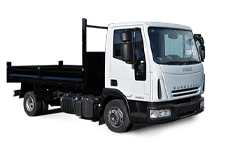
3.5 Tonne Tipper Transit

3.5 tonne category

3.5 Tonne Tipper Transit

Compact tipper category for landscaping, garden clearance, soil, rubble and small site jobs where access and payload are suitable.

  • garden clearance
  • small landscaping jobs
  • soil and rubble movement
  • light construction waste
Check this vehicle
Heavy Loads
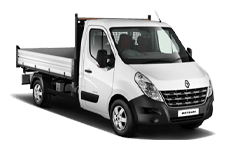
7.5 Tonne Tipper Truck

7.5 tonne category

7.5 Tonne Tipper Truck

Larger tipper category for heavier aggregates, demolition waste, repeated site clearance and bulk material movement.

  • aggregate deliveries
  • demolition waste
  • larger site clearance
  • heavier soil and rubble loads
Check this vehicle

Vehicle and route fit

Compare tipper categories before calling

A useful hire call normally needs licence, payload, body style and access clarity before price or availability can be checked.

small tipper hire, Transit tipper hire

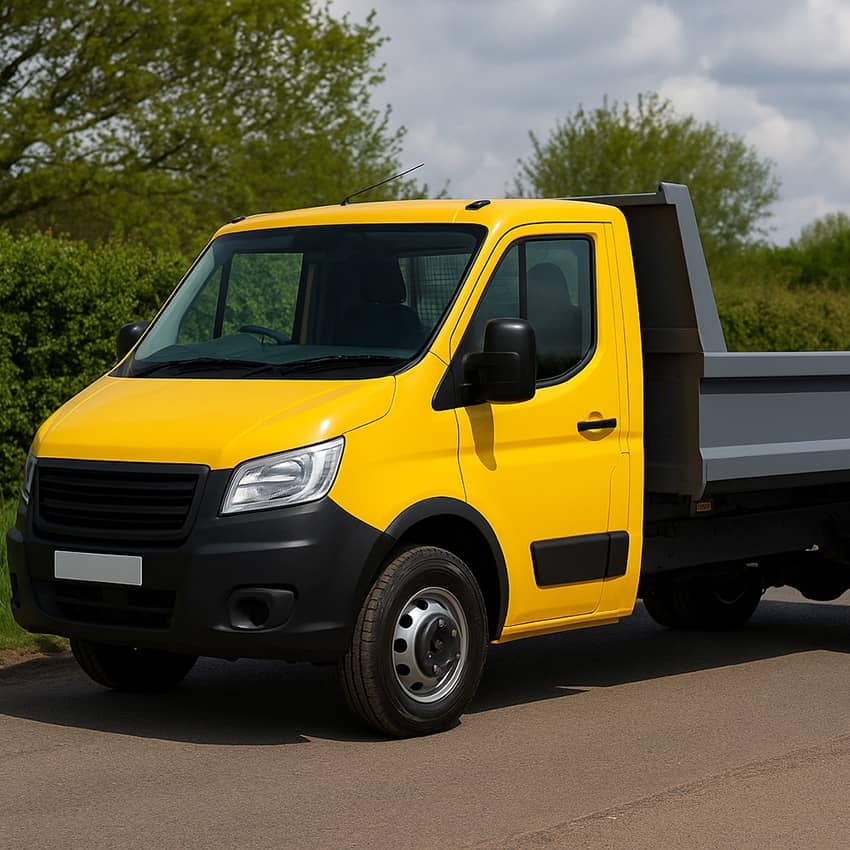
3.5T single-cab tipper

Best fit
tight access, garden clearance, light rubble, builders merchant runs and smaller landscaping jobs
Body notes
usually a compact hydraulic tipper body with fewer seats than a crew-cab layout
Licence check
often discussed as a category B route when the exact vehicle is within 3,500kg MAM, but driver entitlement still needs checking
Payload note
3.5T is the gross vehicle category, not the payload; driver, fuel, body, tools and load all count toward the limit

caged tipper hire, green waste, bulky light loads

3.5T caged tipper

Best fit
bulky green waste, fencing, grounds work, estate clearance and light loose material that benefits from containment
Body notes
the cage can help contain volume but may reduce payload compared with a simpler body
Licence check
check licence, driver age, insurance and business-use terms before assuming it is a straightforward light-vehicle job
Payload note
best for bulky rather than dense material; wet soil, hardcore and concrete can overload it quickly

crew cab tipper hire, trade team transport

3.5T crew-cab tipper

Best fit
small teams carrying tools and lighter material where extra seats matter
Body notes
extra seating can be useful for crews but usually leaves less payload for the load itself
Licence check
confirm driver entitlement and passenger/insurance terms before booking
Payload note
payload should be confirmed for the actual vehicle because seats, toolboxes, cages and tow equipment change it

7.5 tonne tipper hire, tipper lorry hire

7.5T tipper lorry

Best fit
heavier aggregate, rubble, hardcore, soil, site clearance and repeated trade loads
Body notes
a larger tipper category where turning space, route restrictions and emissions-zone checks matter more
Licence check
usually a C1 entitlement conversation, with operator, Driver CPC, tachograph and insurance checks depending on use
Payload note
higher-capacity than light categories, but the exact payload still depends on the supplied vehicle and legal plating

Hire intent

What this hire route is for

These checks reflect the questions people usually need answered before a useful tipper quote conversation.

Self-drive suitability

Self-drive tipper hire only makes sense when the hirer can legally drive the vehicle, load it safely and manage the disposal route.

  • driver age, licence and entitlement
  • insurance and excess terms
  • daily checks, fuel and return condition

Load and material fit

Most calls need the load type, approximate weight, loading method and tipping point before a sensible truck class can be discussed.

  • soil, topsoil and wet material
  • rubble, hardcore and concrete
  • green waste and bulky clearance loads

Access and route fit

Access is often the real constraint, especially on domestic drives, tight streets, restricted sites and clean-air-zone routes.

  • safe turning and unloading space
  • height, width and weight restrictions
  • parking, waiting and handover point

When self-drive may not fit

If the job needs a grab arm, licensed waste collection, heavy loading plant or an operated lorry, a different service may be more suitable.

  • operator licence position
  • waste carrier responsibility
  • loading plant or grab access

Payload and job-fit guide

The right category depends on material weight, access, driver entitlement, route restrictions and the exact vehicle supplied. These checks keep the service hubs useful without promising a payload that has not been confirmed.

3.5 tonne tipper category

Smaller landscaping, garden clearance, soil, green waste and light rubble where access is tight.

Payload varies by body, cab layout and equipment, so confirm the actual payload rather than assuming a tonne is available.

7.5 tonne tipper category

Heavier aggregate, hardcore, demolition rubble, repeated site-clearance runs and bulkier construction loads.

Driver entitlement, operator position, emissions-zone compliance, route access and insurance terms need checking before use.

Grab or larger rigid alternative

Jobs where loading by hand is impractical, material needs collecting from over a wall, or the load is beyond a light self-drive tipper.

This may be a different operated service rather than simple self-drive hire, so disposal, waiting time and access terms matter.

Skip or wait-and-load alternative

Slower staged waste where material can remain safely on site, or short load-and-go clearance where a static vehicle placement is not suitable.

Highway placement, parking controls, mixed-waste rules, permit timing and collection windows can change whether this route is suitable.

Larger haulage or muck-away route

Commercial site clearance, repeated aggregate runs, excavation spoil and heavier loose material beyond simple light self-drive categories.

Treat this as a separate route to qualify, with loading plant, lawful disposal, waiting time, driver or operator terms and paperwork confirmed first.

Material planning

  • self-drive jobs need a safe loading plan as well as a disposal plan
  • driver entitlement and daily vehicle checks should be confirmed before heavier categories are discussed
  • mixed trade waste may need records and segregation before it is carried away
  • loose soil and topsoil can become much heavier when wet
  • hardcore, Type 1 and crushed concrete need payload checks before loading
  • mixed construction and demolition waste may need segregation and lawful disposal paperwork

Quote variables

  • who will drive and what licence they hold
  • who is responsible for loading and waste paperwork
  • hire dates and required delivery window
  • collection point and safe handover space
  • load type, approximate weight and number of runs
  • driver details, insurance position and business use
  • who is driving and what licence or cover applies
  • who is loading the material and who handles waste paperwork
  • hire duration and whether delivery or collection is needed
  • vehicle size, payload and whether a driver or operated service is required

Material and search terms to mention

The right option changes when the load is dense, wet, mixed or specialist. Use the call to name the exact material rather than relying on a generic clearance description.

  • MOT Type 1
  • 6F2 and 6F5
  • hardcore
  • crushed concrete
  • topsoil
  • subsoil
  • clay
  • tarmac
  • green waste
  • inert muck away

Compliance checks

Questions to confirm before use

Driver entitlement and operator licensing

A 7.5 tonne category can require different driver entitlement and business-use checks from a 3.5 tonne vehicle. Confirm the exact use before booking.

Source: GOV.UK

Business waste transfer notes

For non-hazardous business waste, GOV.UK says each load moved off premises needs a waste transfer note or equivalent record, with copies normally kept for two years.

Source: GOV.UK

Vehicle weight and overloading checks

The plated weight and actual load matter. The booking call should not treat volume as payload because wet soil, concrete and hardcore can overload a vehicle quickly.

Source: GOV.UK

Clean Air Zone route checks

Some towns and cities operate clean air or low emission zones. Check the current vehicle and route before sending a hired tipper into a charging area.

Source: GOV.UK

Alternatives

When a different hire route may fit better

3.5 tonne tipper hire

7.5 tonne tipper hire

grab lorry or operated muck away where appropriate

Frequently asked questions

Is insurance included?

Insurance terms, excess, driver eligibility and any option to use business or fleet cover should be checked before the vehicle is reserved.

Can I drive a 3.5 tonne tipper on a normal car licence?

A 3.5 tonne category is the lightest route to discuss, but the exact vehicle, driver age, licence, insurance and business use still need checking before the booking is confirmed.

What licence do I need for a 7.5 tonne tipper?

A 7.5 tonne vehicle is normally a different entitlement conversation from a 3.5 tonne van. Confirm the exact vehicle category, driver licence, business use and insurance terms before relying on it.

Will Driver CPC or tachograph rules matter?

They can matter for some business uses and heavier goods vehicles. The booking call should check who is driving, the job type, distance, vehicle class and whether an exemption or operated service is more appropriate.

Could an operator licence be needed?

For business use of goods vehicles above light-van categories, operator-licensing position can matter. Confirm the exact vehicle, use case and whether the hire is self-drive or operated before proceeding.

How do I avoid overloading a tipper?

Plan by weight as well as volume. Wet soil, hardcore, concrete and aggregates can overload a vehicle quickly, so confirm the actual payload and load plan rather than assuming the body volume is safe.

Do I need a waste transfer note?

For business waste, a waste transfer note or equivalent record may be required for each non-hazardous load moved off premises. Check the current rules and the disposal route before using a hired vehicle.

What access details should I check before delivery?

Check road width, turning space, low branches, overhead cables, parking, site opening times, safe handover space and the tipping point. Restricted access can change the right vehicle class.